Wine Package Idea: 8 Creative Concepts That Make Every Bottle Feel Giftable

Discuss a packaging concept: A strong wine package idea protects the bottle, communicates quality and gives customers a reason to remember your brand. Here are eight concepts you can adapt for retail, gifting, subscriptions and shipping.
By Packaging Editorial Studio · 11 min read · Updated August 2026
The Short Answer
For most wine brands, the best starting point is a two-layer package: a protective corrugated shipper on the outside and a custom-fit presentation box or molded-pulp insert inside.
- Choose the customer moment: shelf, gift, shipment or subscription.
- Match the box structure to one, two or three bottles.
- Use a snug insert with no bottle-to-bottle contact.
- Keep the opening experience simple enough to repeat at scale.
Why Your Wine Package Idea Matters
Wine packaging is doing several jobs at once. It needs to survive handling, make the bottle easy to identify, support a premium price and give the customer a clear sense of occasion. That is especially important when the package is opened on camera, placed on a restaurant table or delivered as a gift.
The market is also under pressure. The International Organisation of Vine and Wine, or OIV, estimates that global wine consumption reached 214.2 million hectolitres in 2024, down 3.3% year over year. In a softer category, packaging becomes a useful point of differentiation: it can clarify the story and increase perceived value without changing the liquid inside.

8 Wine Package Ideas to Explore
1. Magnetic Rigid Wine Box
Use a book-style rigid box with a ribbon pull, foil-stamped crest or textured paper. Add a removable insert for one bottle and a tasting card. This concept is best for holiday gifting, corporate orders and reserve wines.
2. Molded-Pulp Bottle Cradle
Make the insert the visual feature. Natural molded pulp can create a sculptural, tactile interior while holding the bottle firmly. Pair it with a one-color kraft sleeve to keep the outside calm and recyclable.
3. “Then and Now” Pairing Box
Separate two bottles with a printed divider and tell a simple story: old vine and new release, red and white, or vineyard and cellar. The structure encourages a tasting ritual rather than a one-off purchase.
4. Modular Wine Club Shipper
Design one outer box that accepts one, two or three bottles. Use the same insert geometry and swap only the printed belly band. This keeps fulfillment flexible as subscribers change their selections.
5. Die-Cut Window Carton
Let the label remain visible through a controlled window. A die-cut arch, vineyard contour or map-inspired opening can give the carton a distinctive silhouette without adding plastic.
6. Reusable Fabric Bottle Sleeve
Wrap the bottle in a washable cotton or linen sleeve with a paper hangtag. It works well for winery events and direct-to-consumer orders where the second life of the package is part of the story.
7. Paper Tube with a Surprise Lift
A spiral paper tube creates a strong vertical presence and an intentional reveal. Add a lift ribbon at the base, but test the tube for bottle neck clearance and drop resistance before launch.
8. One-Ink Typographic Mailer
Use a restrained mailer with oversized typography, a single accent color and a short origin statement. This can look more premium than a busy package while reducing print complexity.
How to Choose the Right Structure
Start with the Fulfillment Moment
A shelf carton prioritizes visibility and footprint. A gift box prioritizes touch and reveal. A shipping box prioritizes compression resistance and easy packing. Do not ask one structure to solve every use case unless the volume justifies a modular system.
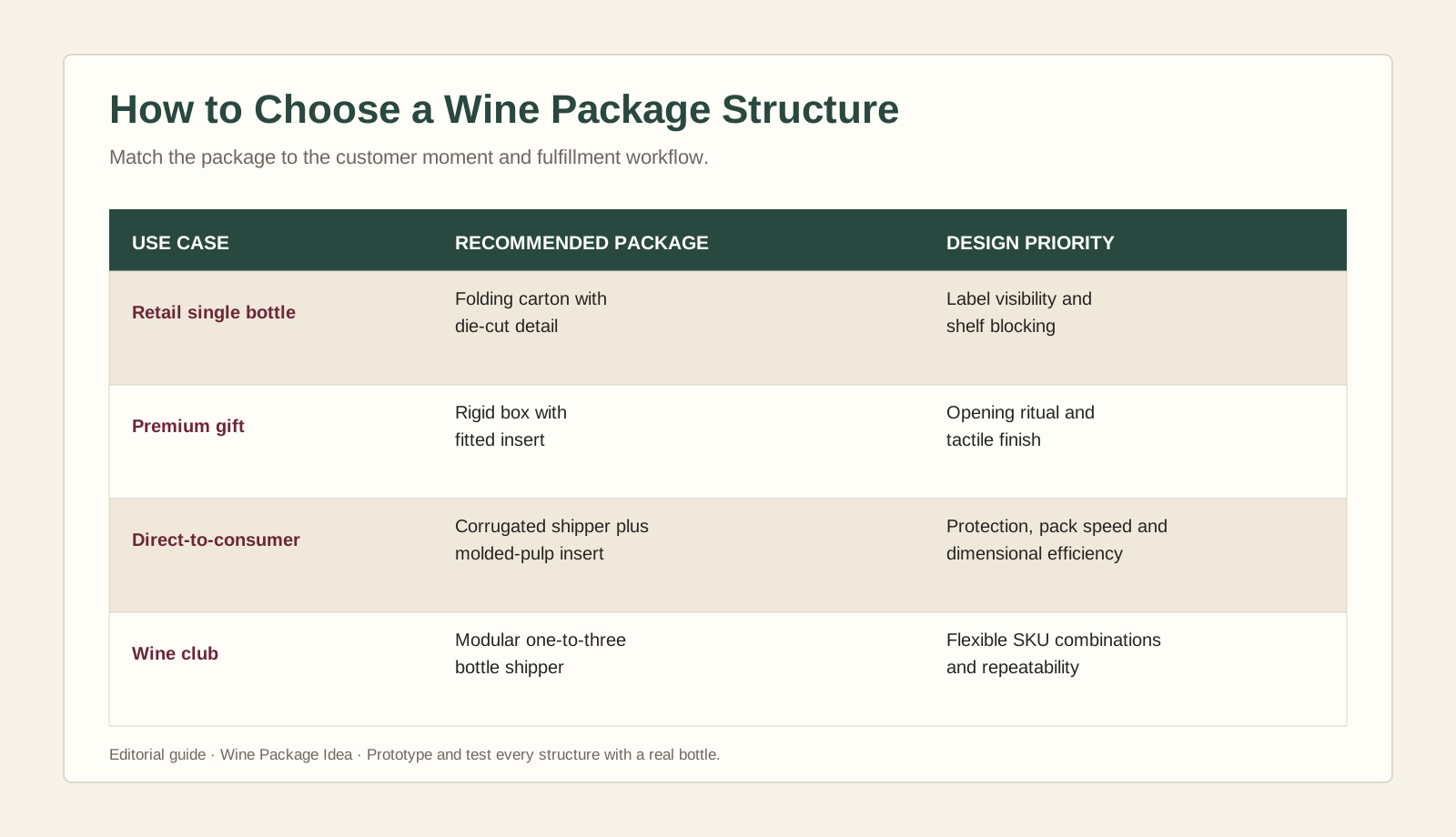
Use CaseRecommended PackageDesign PriorityRetail single bottleFolding carton with die-cut detailLabel visibility and shelf blockingPremium giftRigid box with fitted insertOpening ritual and tactile finishDirect-to-consumerCorrugated shipper plus molded-pulp insertProtection, pack speed and dimensional efficiencyWine clubModular one-to-three bottle shipperFlexible SKU combinations and repeatability
Use Practical Dimensions, Not Just Beautiful Renders
Measure the actual bottle, including the widest point, shoulder and cork or capsule height. As a starting point, leave roughly 15–25 mm of controlled clearance around the bottle inside the protective system, then validate with a drop and vibration test. A loose package allows movement; an over-tight package can transfer impact directly to glass.
Wine Packaging Data to Keep in Mind
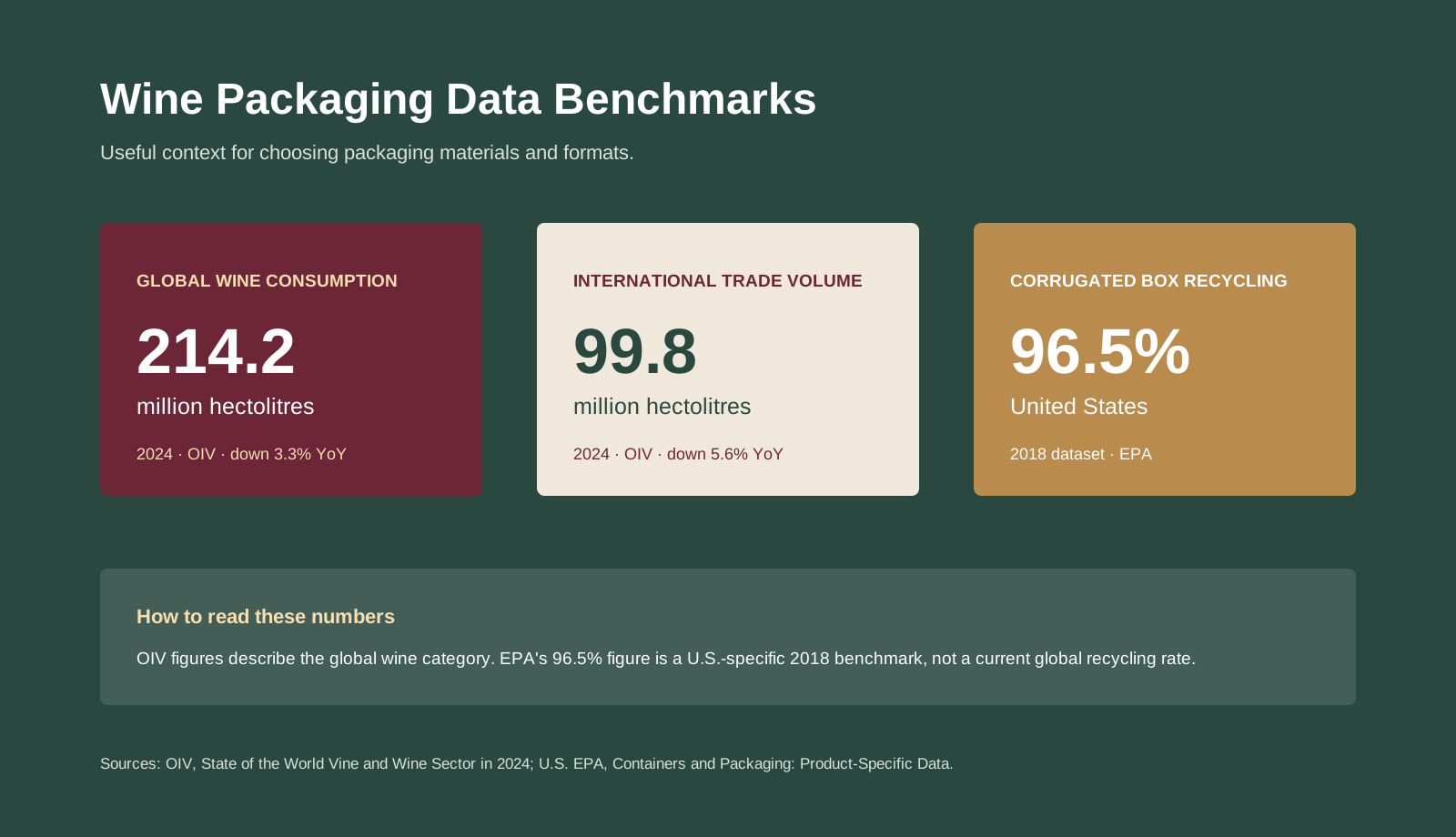
The OIV figures show a global category that is large but contracting. The EPA figure is older and U.S.-specific, so it should be treated as a packaging-material benchmark rather than a current global recycling rate. It still supports a clear design principle: use fiber-based components where the local recycling system can accept them, and avoid unnecessary mixed materials.
Materials and Finishing: Where to Spend Your Budget
- Spend on fit first. A precise insert protects the product and makes the box feel intentional.
- Choose one hero finish. Embossing, foil, soft-touch coating or textured stock can create focus; stacking every finish often reduces clarity.
- Design the unboxing sequence. The bottle should be visible within the first few seconds, with the tasting note or origin story placed where the hand naturally looks.
- Keep components separable. Paperboard, pulp and paper labels are easier to sort than packages bonded from multiple hard-to-separate materials.
Wine Package Idea Checklist Before Production
- Bottle dimensions measured from a real sample
- Insert prevents glass-to-glass contact
- Outer box passes drop and vibration testing
- Closure survives repeated opening
- Barcode and legal information remain scannable
- Materials and coatings are documented
- Pack-out time tested by a real operator
- Shipping label area stays flat and visible
FAQ: Wine Packaging Ideas
What Is the Best Wine Package Idea for Shipping?
A dedicated corrugated wine shipper with a fitted insert is usually the sensible base. Add a presentation sleeve or inner gift box when the unboxing experience matters.
How Can I Make Wine Packaging Look Premium?
Prioritize proportion, paper texture, one memorable opening motion and a controlled color palette. A good fit often creates more premium perception than extra decoration.
Is a Paper Wine Box Recyclable?
Often, but recyclability depends on the local system and the package construction. Check adhesives, laminates, coatings, windows and mixed-material components with your converter and local recycling guidance.
How Many Bottles Should a Gift Box Hold?
One bottle is simplest for a premium single-product story. Two bottles support pairings, while three bottles work well for a tasting flight or wine club shipment. Choose the format your fulfillment team can pack consistently.
Turn Your Wine Package Idea into a Shippable Sample
Start with the bottle, the customer moment and the target order quantity. Then request a dieline, a material recommendation and a physical prototype before committing to a full run.
Discuss a packaging concept: https://karipackage.com/customize/form
Sources and Editorial Notes
OIV, State of the World Vine and Wine Sector in 2024, published April 2025: OIV report.
U.S. EPA, Containers and Packaging: Product-Specific Data, latest dataset shown on page: 2018: EPA data.
Packaging dimensions and clearance ranges are editorial starting points; prototype and test against your carrier requirements.
Leave a Comment
Comments are reviewed before appearing.