Watch Box: How the Right Watch Box Protects Your Watch and Holds Its Value
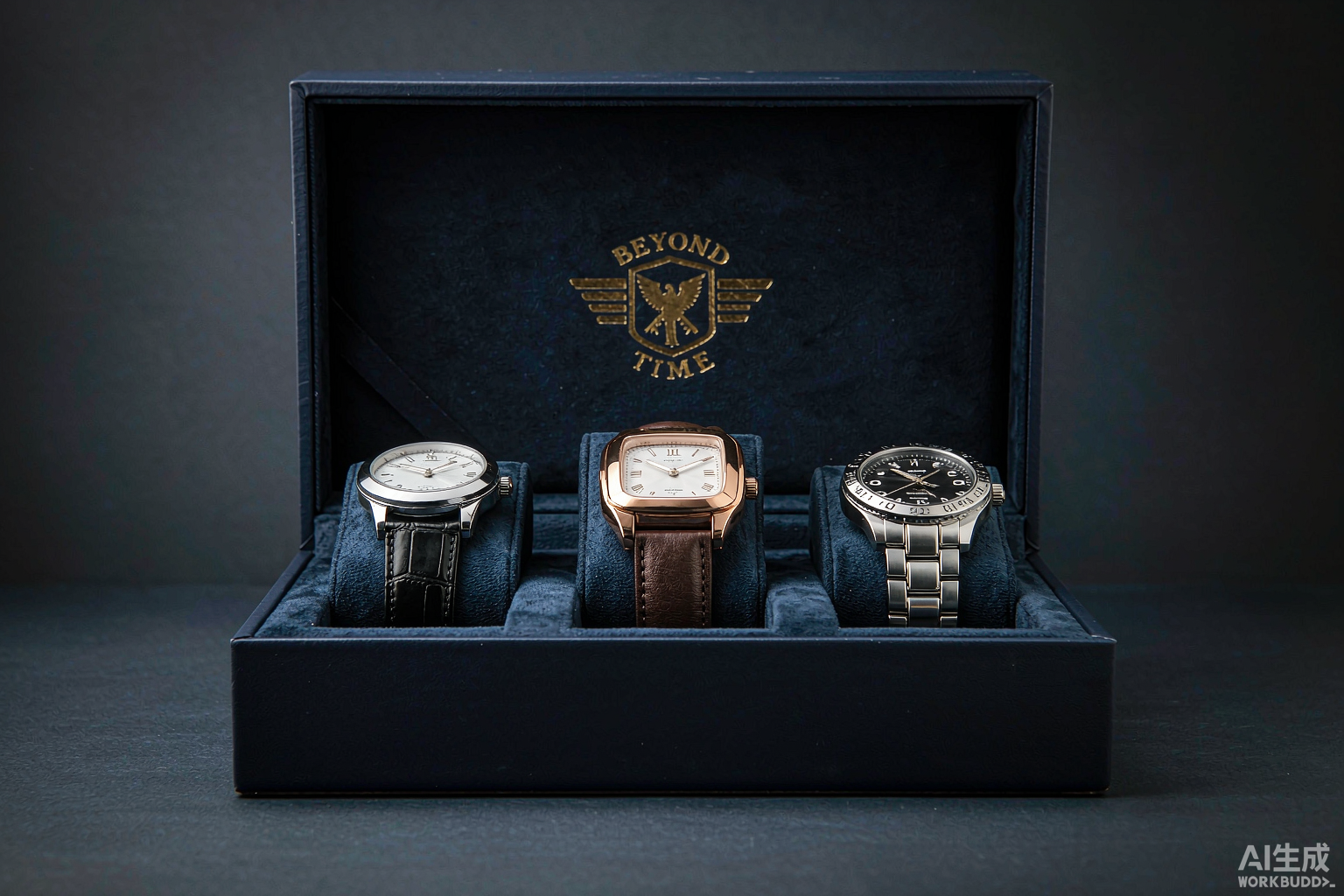
A watch box is a structured storage case with individually cushioned slots that protects watches from scratches, dust, moisture and impact - and, if it is the original box, adds measurable resale value. The right watch box does two jobs at once. Physically, it keeps bracelets from grinding against each other and keeps humidity and grit away from the movement and the finish. Financially, it is the second half of what collectors call the "full set": published secondary-market guidance puts the premium for a watch sold with its original box and papers at roughly 15 to 25% above the same watch sold alone. This guide explains what actually damages stored watches, how a watch box prevents it, why packaging translates into money, and what to specify whether you store two watches or two hundred.
By Packaging Editorial Studio · 9 min read · Updated September 2026
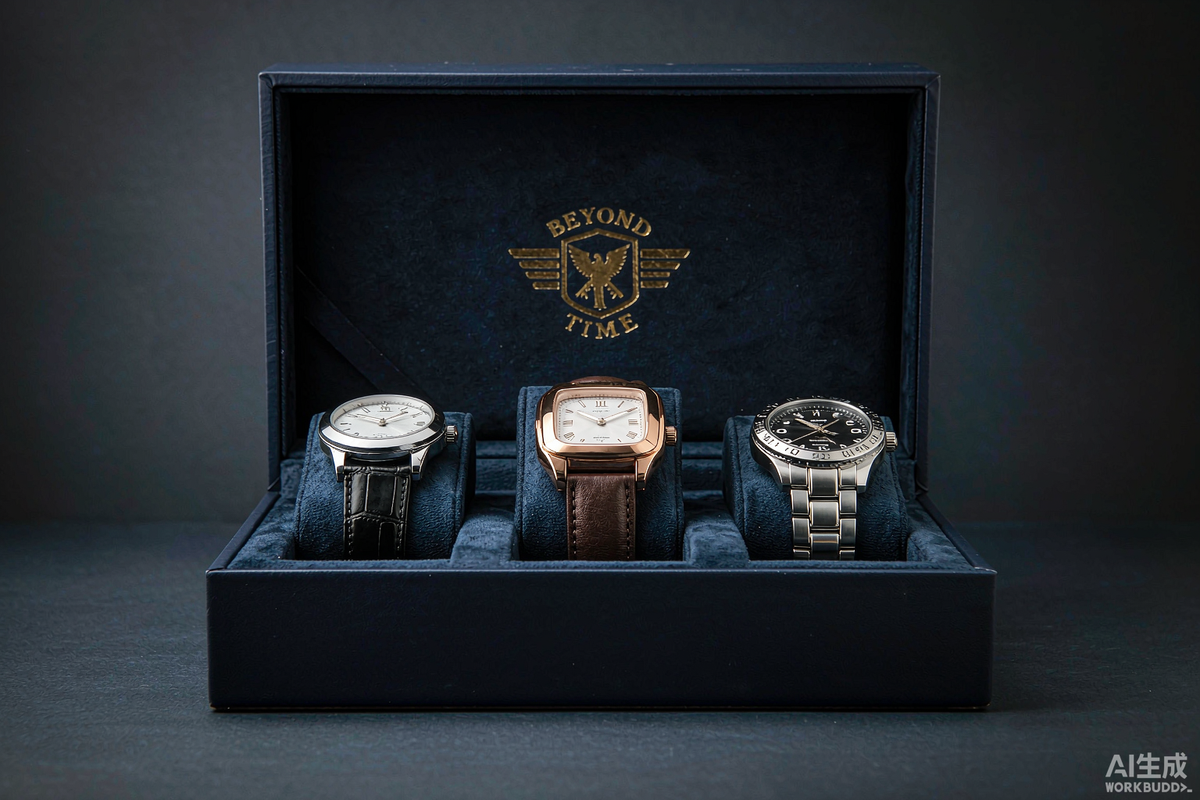
The Short Answer
A watch spends most of its life off the wrist, and storage is where most avoidable damage happens. Five things damage a stored watch: contact with other metal, abrasive dust, humidity, light and heat, and impact. A watch box addresses all five at once - separated slots, a closed lid, a dry buffered interior, opaque walls and rigid structure. Keep the original box and papers, and you also keep a documented resale premium. The cheapest piece of watch equipment you will ever own is the box the watch came in, and it is the most expensive to replace later.
What Actually Damages a Stored Watch
Most collectors assume damage happens while wearing a watch. In reality, hairline scratches and slow deterioration accumulate in drawers, suitcases and open display trays.
Insert image: watch-box-value.svg
Image location: C:\Users\CYH\CodeBuddy\20260821161955\assets\watch-box-value.svg
Metal-on-metal contact
A steel bracelet is harder than almost anything it touches. Two watches sharing a drawer will polish each other's cases, clasps and polished centre links until they are covered in fine swirl marks, which is exactly what buyers notice under a loupe. Individual cushions are the fix: they hold each watch down and apart, so nothing rubs during movement.
Dust and grit
Household dust contains hard mineral particles. Around the crown, caseback gap and bracelet links it behaves like an abrasive paste every time the watch shifts. A lid that actually closes is the cheapest protection available.
Humidity
Moisture is the enemy underneath the caseback. Repeated high humidity ages gaskets, hazes dials and, on leather straps, grows mildew and rot. A closed box inside a dry room keeps conditions stable; silica gel adds another layer of protection for anyone in a humid climate.
Light, heat and magnetism
UV fades dials, anodised aluminium inserts and coloured leather, while heat dries lubricants. Strong magnets - speakers, phone mounts, magnetic clasps - can magnetise a hairspring and send a watch running minutes fast. An opaque box in a drawer solves most of this; using one that puts distance between the watch and domestic magnets is better still.
Impact
Watches are shock-resistant within the tolerances of a wrist, not a bottom-of-suitcase impact onto tile. A rigid shell spread the load; a soft pouch concentrates it directly into the movement.
How a Watch Box Protects and Raises Value
The protective side is simple mechanics. The value side has three separate mechanisms worth understanding:
- Physical condition is the price floor. Secondary-market grading weighs case sharpness, bracelet stretch and dial condition above almost everything else. Watches stored individually retain factory edges and original finishing for decades, which is precisely what a buyer pays up for.
- The full set signals provenance. Original box, warranty card, receipt and service records tell a buyer the watch was cared for and is not stolen. Published guidance from secondary-market dealers puts the premium for a complete set at roughly 15 to 25% over the same watch sold alone, with the box alone worth around 5 to 12% and papers alone around 8 to 15%.
- Presentation frames the transaction. In a private sale or a trade-in negotiation, a watch handed over in its proper box reads as complete and honestly cared for. The same watch in a plastic bag invites haggling.
The practical conclusion is blunt: never throw a watch box away. Even if you dislike the box as an object, store it flat, empty and dry. It is a financial asset attached to the watch.
Watch Box Formats and What Each Is For
- Single travel case. One watch, hard shell, zip closure, padded interior. Purpose-built for flights and gym bags, and the only sensible way to carry a watch not being worn.
- Multi-slot watch case (2-20 watches). The everyday home solution. Look for a lid with clearance so tall pieces do not touch the upholstery, and cushions firm enough to resist being pulled out.
- Display box with a glass or clear lid. Presentation first. Check that the lid seals reasonably well, since a loose lid turns a display case into a dust collector.
- Drawer-style storage box. Horizontal pull-out trays, stackable, and easy to fit into a wardrobe. Best when drawer runners are smooth enough not to jerk the watches.
- Rigid retail gift box. The presentation box a new watch ships in: wrapped rigid board, foam or velvet insert, sometimes a magnetic lid. This is the box that becomes part of the full set, so brands should treat it as part of the product specification rather than shipping overhead.
Materials and Construction Worth Paying For
- Wrapper. PU leather, textured paper or linen over rigid board. Textured papers resist fingerprints; PU wipes clean.
- Interior. Velvet or faux suede for fine watches, moulded foam for sport models. Soft interiors must be dye-fast, or they can transfer colour onto straps over time.
- Cushions. Firm foam cores wrapped in soft fabric, sized so the watch is held without being compressed. Too-tight cushions deform leather straps; too-loose ones let the watch rattle.
- Board thickness. Heavier board means better impact resistance - typically 800gsm to 1200gsm wrapped board for gift and presentation boxes.
- Closures. Magnetic flaps and hinges should close cleanly and repeat thousands of times. Test them before approving a production run.
For Brands: The Watch Box Is Part of the Product
Watch packaging carries unusual weight. Buyers keep it, photograph it, and use it to judge authenticity, so it is one of the very few packaging formats with a documented effect on resale value rather than just on perception. For anything above the entry price band, three rules hold: structure the box around the actual watch dimensions, specify an insert that cradles rather than clips, and finish the exterior to the same standard as the product.
Checklist: Specifying or Buying a Watch Box
- Measure the watch: case diameter, lug-to-lug, thickness and closed bracelet circumference
- Choose slot count and cushion size for today's collection plus two spare slots
- Check lid clearance over the tallest crown or domed crystal
- Select interior material that will not transfer dye onto straps
- Confirm the box is opaque, closes firmly and sits in a dry place
- Add silica gel in humid climates, replaced every few months
- Keep original boxes, cards and receipts stored flat and dry
- For retail boxes: prototype the cushion with the real watch before production
FAQ: Watch Box
What is a watch box?
A watch box is a structured case with individual cushioned compartments that stores, protects and presents watches. Formats range from single travel cases to multi-slot wooden or wrapped paper boxes and rigid retail gift boxes.
Does keeping the original watch box really increase value?
Yes. Secondary-market dealers report a premium of roughly 15 to 25% for a complete set - original box plus warranty papers - over the same watch sold alone. The box on its own is typically worth about 5 to 12%.
How many watches should a watch box hold?
Buy for the collection you will have in two years, not today. Two spare slots avoid the habit of leaving watches loose on a dresser, which is where most scratches actually happen.
Can a watch box damage a watch?
It can, if the cushions are too tight or too loose. Over-tight cushions compress leather straps and stress bracelets; loose ones allow movement and rubbing. Also check that dyed interiors are colour-fast and that the lid does not press on the crown.
What is the best interior material for a watch box?
Velvet or faux suede for dress watches, because they are soft and hold the case gently. Moulded or cut foam is better for heavy sport models and for shipping applications where movement must be eliminated.
Should I store a running automatic watch in a closed box?
Yes - the box protects it - but if you want it to keep running, use a watch winder rather than letting it stop and start repeatedly. If it is going to stop anyway, store it clean and dry and reset it on the next wear.
Build Your Watch Box With Karipackage
Whether you need one storage case for your own watches or thousands of retail boxes for a launch, specify from the watches themselves outwards: dimensions first, then insert, then structure, then finish. Prototype every new box with the real watch in hand, and check lid clearance, cushion tension and closure life before approving production.
Karipackage is a professional colour box and carton supplier with 30 years of manufacturing experience. Karipackage engineers watch boxes with wrapped rigid board, velvet, faux suede or precision-cut foam inserts, magnetic or lift-off closures, and finishes such as hot-foil stamping, debossing and soft-touch lamination - all validated with physical samples before mass production. Request a quote for custom watch boxes from Karipackage.
Sources and Editorial Notes
Protection guidance reflects standard horological storage practice. Resale premiums for full sets, box-only and papers-only comparisons are drawn from published secondary-market dealer guidance; actual results vary by brand, reference, condition and market. Confirm specific valuations with a qualified dealer or auction house.
Leave a Comment
Comments are reviewed before appearing.