Wine Box Guide: How to Design Packaging for Retail, Gifts and Shipping
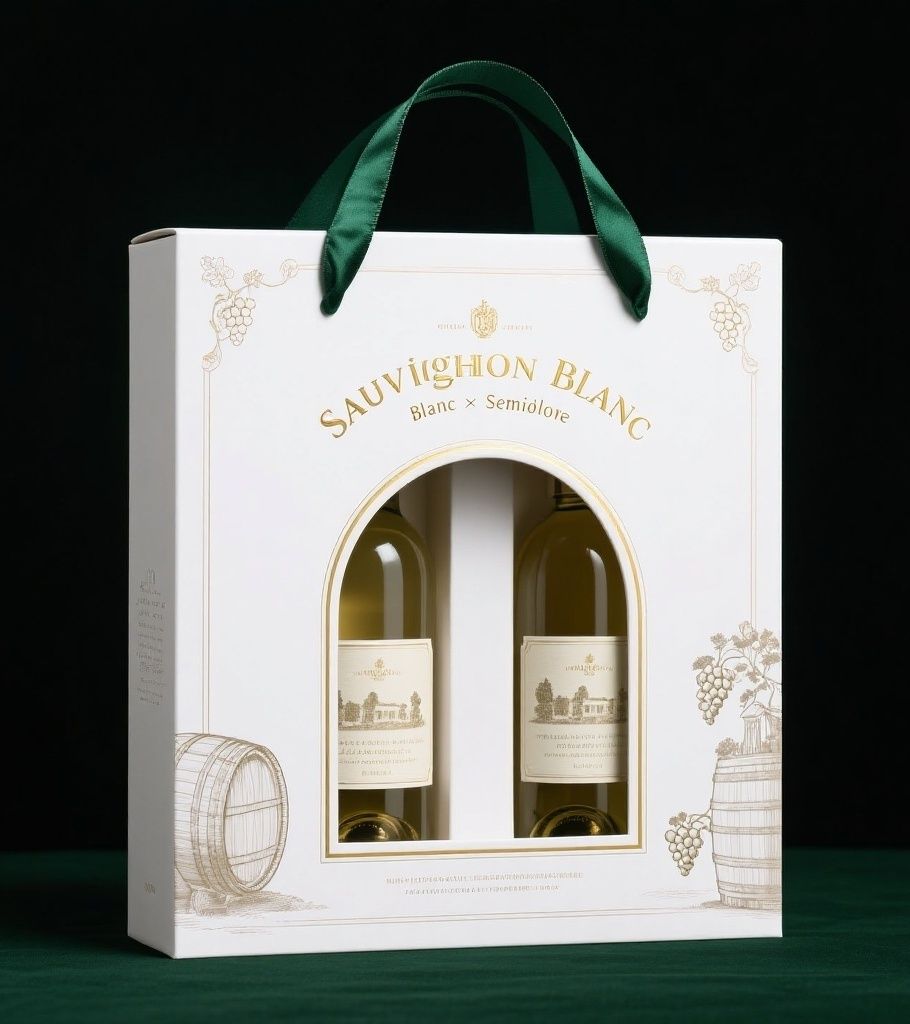
A wine box should do more than look attractive. It should fit the bottle accurately, survive the journey, guide the opening experience and make the product easier to remember. This guide explains how to plan a wine box from the inside out.
By Packaging Editorial Studio · 12 min read · Updated August 2026
The Quick Answer
Choose a wine box by starting with four questions: what bottle must fit, where will the box be opened, what can go wrong during handling and which brand detail should the customer remember?
- Measure the bottle you will actually sell, not just a standard bottle drawing.
- Decide whether the box is mainly for the shelf, the gift moment or delivery.
- Build the insert and impact protection before adding decorative finishes.
- Test the finished package with a filled and labeled bottle.
What Makes a Wine Box Successful?
The strongest wine box balances four things: product fit, customer experience, shipping performance and brand recognition. If one of these is ignored, the box can become expensive without becoming more useful.
A gift box that opens beautifully but allows the bottle to move is not finished. A shipping box that protects the glass but hides the brand may be functional, but it misses an opportunity. Good packaging design connects the physical and commercial jobs in one structure.
Use This Four-Question Design Method
Instead of choosing a box because it looks premium in a mock-up, work through the questions below. They help you narrow the structure before you discuss paper, printing or finishing.
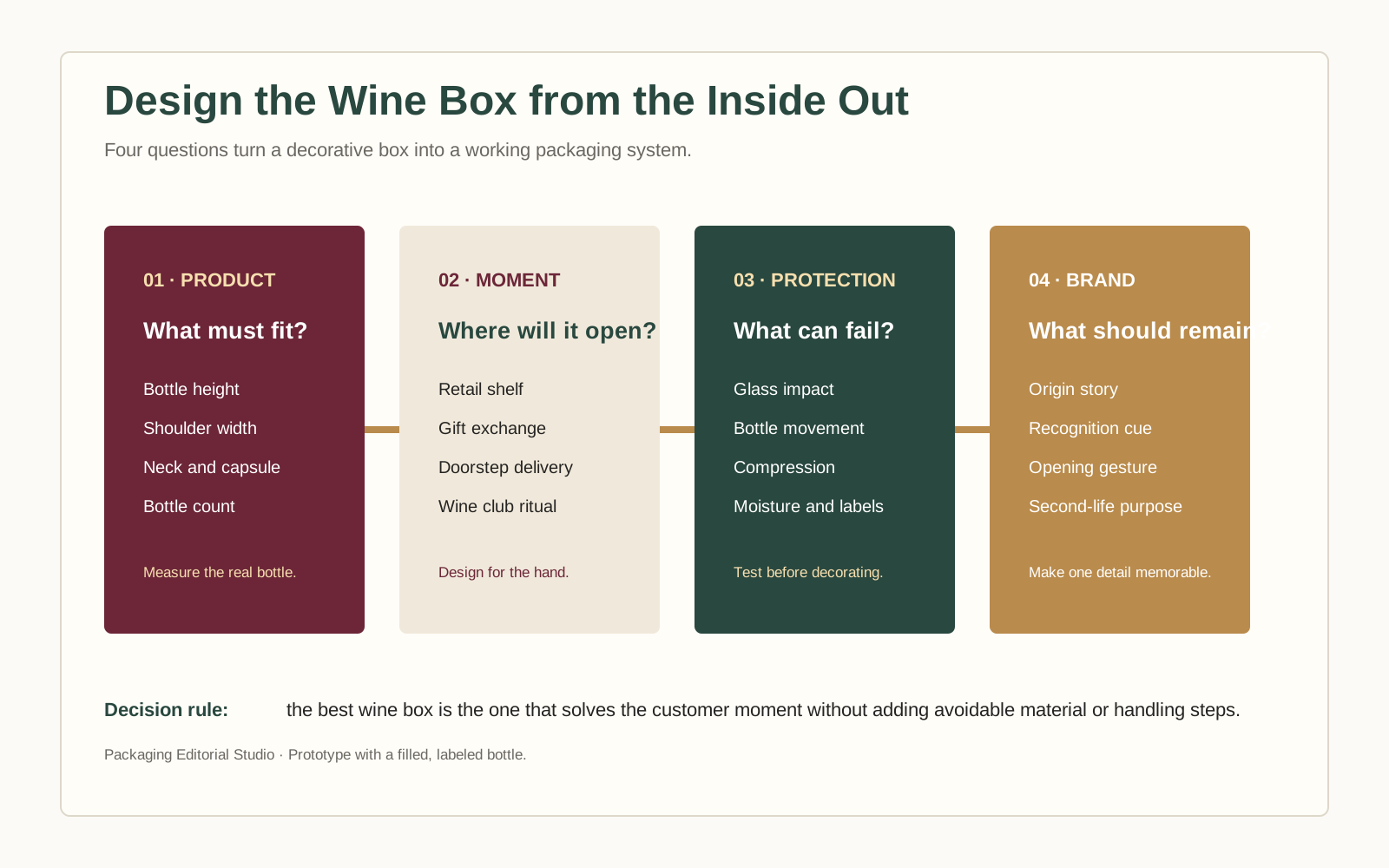
1. What Must Fit?
Wine bottles vary in height, shoulder profile, base diameter and neck shape. A Bordeaux bottle, Burgundy bottle and sparkling bottle can require very different internal geometry. Measure the widest point, overall height, neck, capsule and base. If the package includes a tasting card or accessory, measure those items too.
Design the insert around the real product. A generic cavity may look efficient on screen but create movement when the bottle is shipped. The insert should support the bottle without placing pressure on fragile glass areas.
2. Where Will It Open?
The location of the opening changes the design brief. A retail wine box must communicate quickly from a distance. A gift box can slow the customer down with a reveal, pull tab or layered interior. An e-commerce box needs to be easy for a fulfillment operator to pack and easy for a customer to recycle.
Write down the first five seconds of the experience. What does the customer see first? Where does the hand pull, lift or slide? Which piece carries the origin story? These small decisions often make a wine box feel intentional.
3. What Can Fail?
Glass can break from a direct impact, but movement and compression are also common problems. A wine box can arrive with a cracked bottle, scuffed label or crushed corner even when the outer carton looks acceptable.
- Prevent the bottle from contacting the outer wall.
- Prevent bottle-to-bottle contact in multi-bottle formats.
- Keep the neck and shoulder from becoming unsupported voids.
- Allow the shipper to resist stacking pressure.
- Keep labels away from rough edges, staples and exposed adhesive.
4. What Should the Customer Remember?
Packaging does not need to display every brand message. Choose one recognition cue: a distinctive opening movement, a map-like graphic, a particular paper texture, a strong color block or a short line about the vineyard. Repeating one cue consistently is usually more effective than filling every panel with information.
Choosing a Wine Box Format
Folding Carton
A folding carton is a practical option for retail because it is relatively light, efficient to store and suitable for strong graphic communication. Add a die-cut opening when the label needs to remain visible. The carton should still include enough internal control to prevent the bottle from shifting.
Rigid Presentation Box
A rigid wine box gives more room for tactile materials, layered opening sequences and premium finishes. It is a strong fit for gift occasions, but its extra board and weight can increase shipping cost. Use a rigid box when the presentation is genuinely part of the product value.
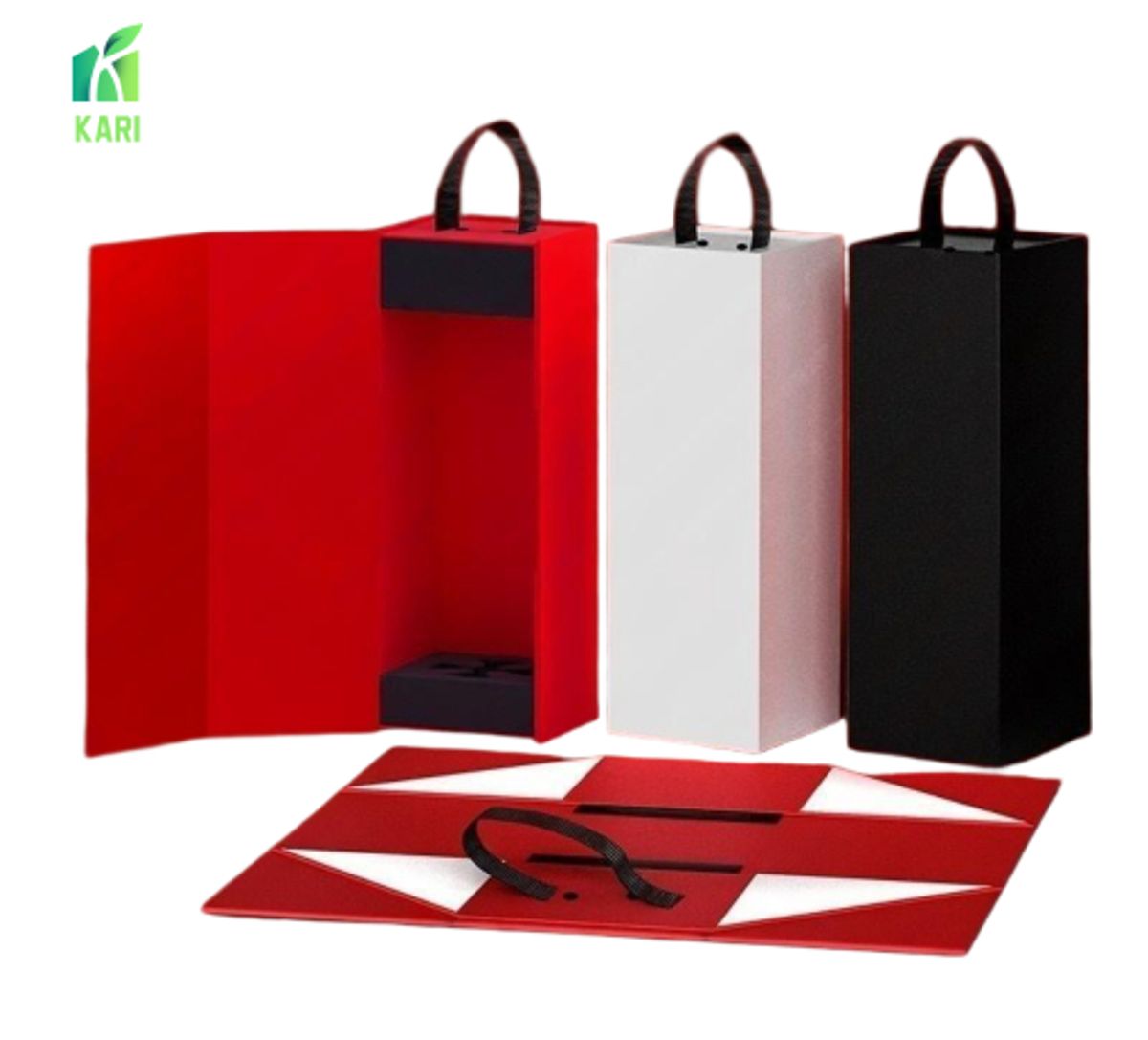
Corrugated Wine Shipper
A corrugated wine box is designed around transport. Its priorities are compression resistance, controlled movement, efficient packing and a clear label area. Add a printed sleeve or interior message when you want brand presence without compromising the protective structure.
Wooden Wine Box
Wood can create a cellar or collector feeling, but it is heavier and usually more expensive to ship. Give it a second purpose, such as storage or display, so the material contributes beyond the first delivery. Confirm moisture, splinter and closure performance before production.
How Much Branding Should Go on the Box?
Use a hierarchy rather than a collection of messages. The outside of the wine box should identify the product and create recognition. The inside can carry the story, tasting guidance or serving suggestion. The bottom or side panel can hold practical information, legal copy and recycling instructions.
One strong finish is often enough. Embossing can add tactility, foil can create a focal point, and an uncoated textured paper can make a simple design feel considered. Combining every technique may add cost without improving recognition.
Materials: Make the Sustainability Claim Specific
Terms such as “eco-friendly” are too broad to guide a purchasing decision. Describe what the wine box is made from, what has been removed and how the components should be handled after use.
- State whether the board or paper contains recycled or certified fiber.
- Identify plastic windows, laminates, foams and mixed-material inserts.
- Check whether local recycling systems accept the final construction.
- Compare the total package weight, not only the outer box material.
- Avoid making a global recycling claim from a regional dataset.
Market Signals for Wine Box Planning
The following image replaces a text table and can be uploaded directly into a CMS article.
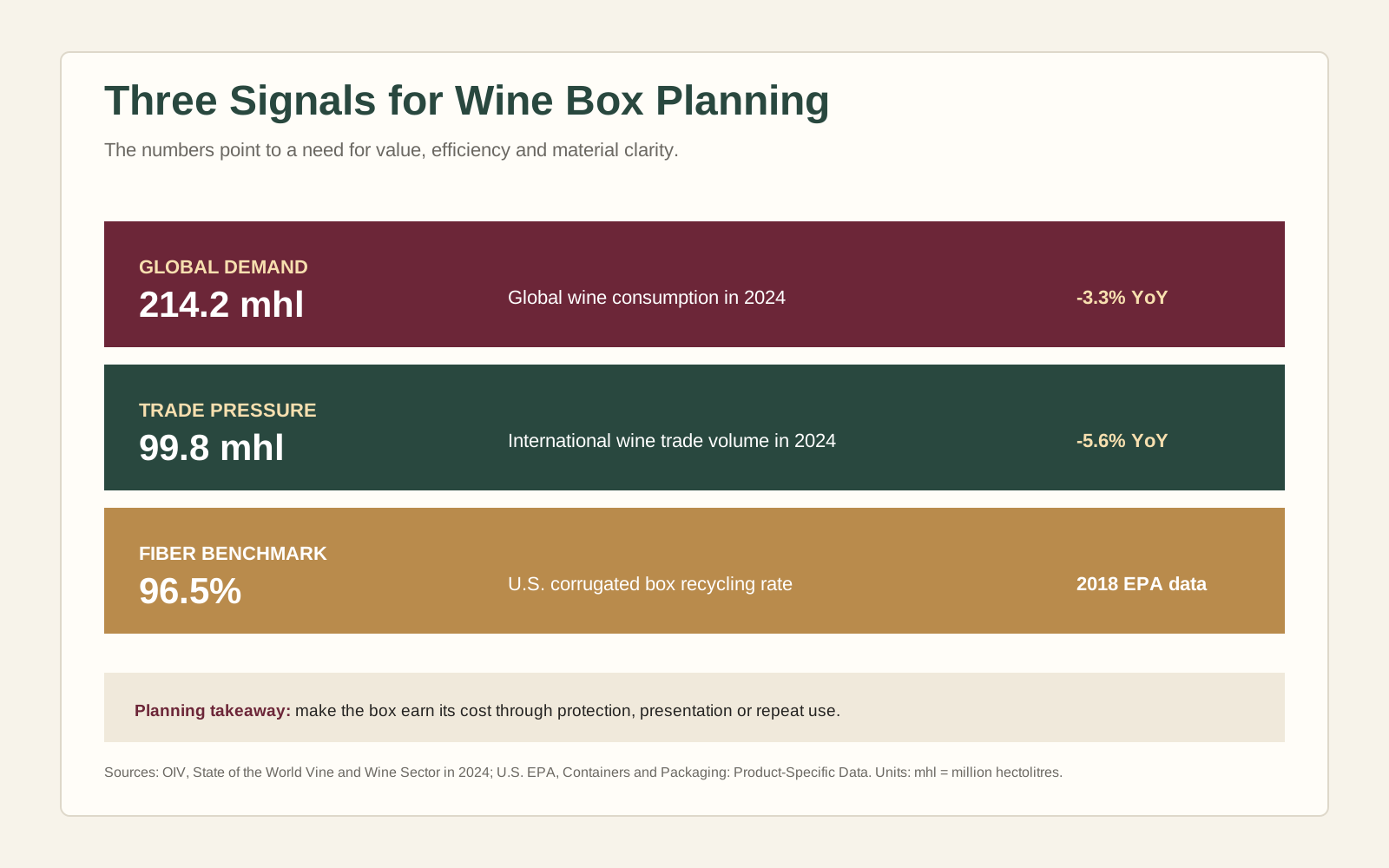
OIV reported global wine consumption of 214.2 million hectolitres in 2024, down 3.3% year over year, and international trade volume of 99.8 million hectolitres, down 5.6%. These figures suggest that packaging needs to create value and efficiency at the same time. The EPA's 96.5% corrugated recycling figure is from a U.S. 2018 dataset, so it is a material benchmark rather than a current worldwide rate.
Testing a Wine Box Before Launch
Do not approve a wine box from a digital render alone. Build a physical sample and test the complete package as it will be sold.
- Pack a filled, labeled bottle using the intended insert and closure.
- Check whether the bottle moves when the package is gently shaken.
- Inspect the label, neck and base for contact marks.
- Run drop, compression and vibration tests appropriate to your shipping route.
- Ask a person unfamiliar with the package to open and repack it.
- Record pack-out time, material waste and any confusing steps.
- Repeat the test after making structural or material changes.
Wine Box Pre-Production Checklist
- Real bottle dimensions are confirmed
- Insert supports the bottle without excessive pressure
- Multi-bottle versions include separation between bottles
- Outer box is sized for the actual shipping method
- Closure has been tested through repeated opening
- Brand, barcode and legal information are legible
- Print colors and finishes have been approved on the final stock
- Material and recycling information is documented
- Fulfillment staff can pack the box consistently
- Prototype has passed the required handling tests
FAQ: Choosing a Wine Box
What is the best wine box for online orders?
Choose a corrugated wine shipping box with a fitted insert and enough outer strength for the carrier network. If the order is a gift, add a paper sleeve or a compact inner presentation layer rather than weakening the protective structure.
What is the best wine box for a premium product?
A rigid presentation box can be effective when the unboxing experience supports the product price. Start with the fit and opening sequence, then select one or two finishes that reinforce the brand.
Should a wine box be designed for one bottle or several?
One bottle gives you the clearest product story and the simplest protection system. Two or three bottles can support pairings and tasting collections, but they require more separation, more material and more careful weight control.
How do I make a wine box more sustainable?
Reduce unnecessary layers, choose materials that your customers can realistically recycle, avoid difficult-to-separate components and design the package for a useful second life when appropriate. Verify the final construction before making environmental claims.
Make the Wine Box Earn Its Place
The most effective wine box is not necessarily the most decorated one. It is the package that protects the bottle, makes the customer moment feel clear and uses material with purpose. Start with the bottle and the journey, then add the brand expression that customers can recognize and remember.
Ready to develop a wine box sample? Prepare the bottle dimensions, target quantity, delivery route and preferred material direction before requesting a dieline or prototype.
Sources and Editorial Notes
OIV, State of the World Vine and Wine Sector in 2024, published April 2025: OIV report.
U.S. EPA, Containers and Packaging: Product-Specific Data, latest dataset shown on page: 2018: EPA data.
Dimensions, clearance guidance and testing recommendations are editorial starting points. Validate the final wine box with the actual bottle, packaging supplier and carrier requirements.
Leave a Comment
Comments are reviewed before appearing.