Shoes Box: How the Right Shoes Box Protects Shoes and Raises Their Value
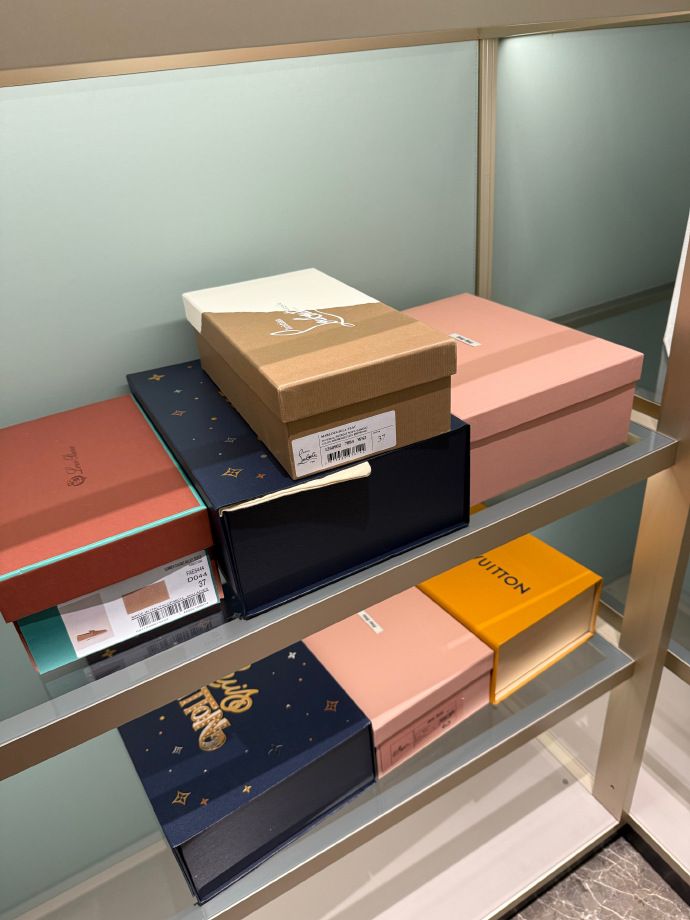
A shoes box is the rigid paperboard container that protects a pair of shoes from crushing, dust and moisture, and it shapes the buyer's first impression of the brand. The right shoes box does two jobs at once: it physically shields the shoe during storage, transit and returns, and it frames the pair as a premium product through structure, printing and finish. This guide explains how a shoes box protects shoes, why packaging changes how much a pair is worth in the customer's eyes, and what to specify for custom shoe boxes.
By Packaging Editorial Studio · 9 min read · Updated September 2026
The Short Answer
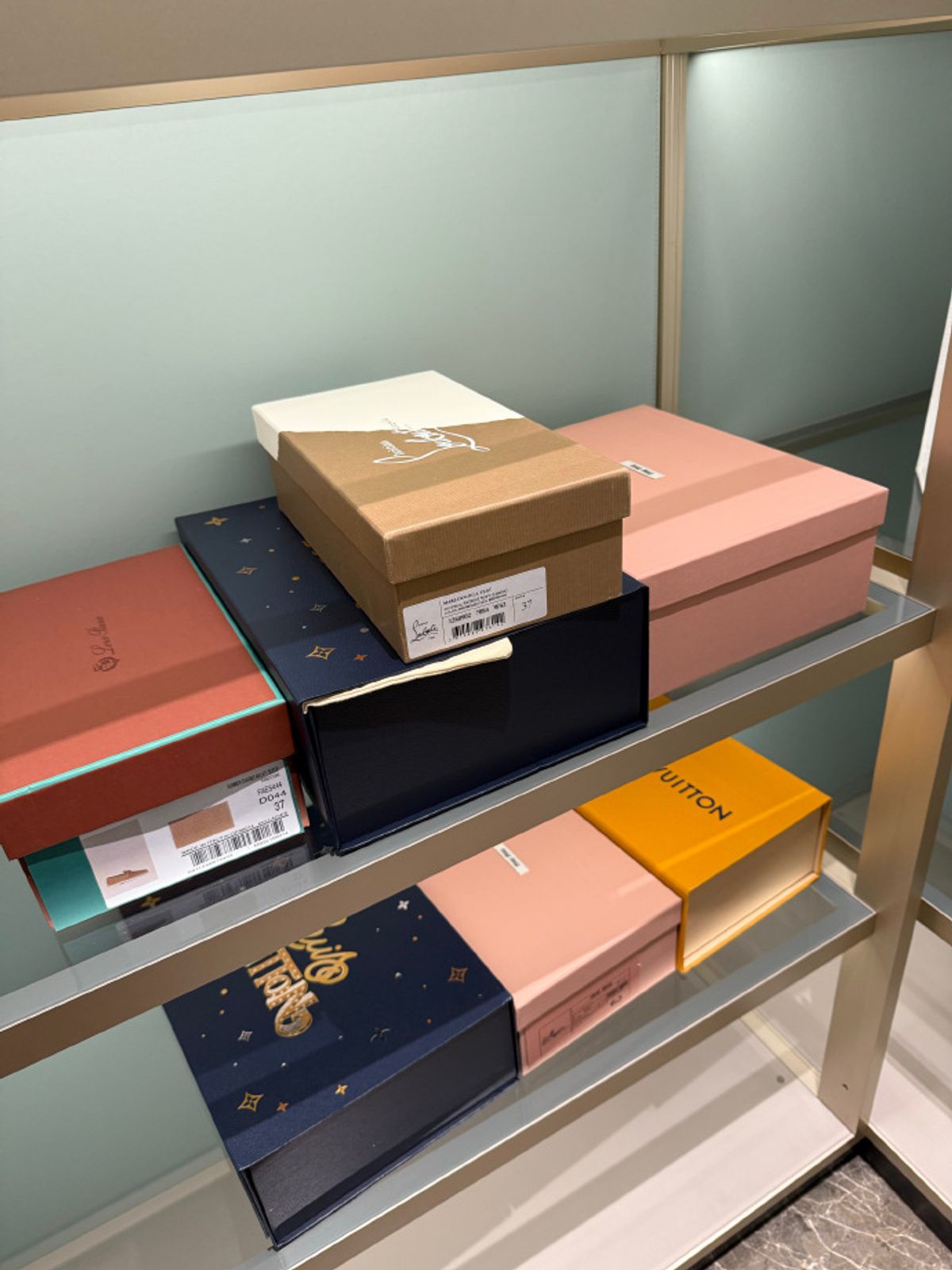
Shoes are three-dimensional, easily deformed products, and a shoes box keeps them from being the weakest object in the carton. Rigid walls preserve the shape of uppers and soles, a closing lid blocks dust and light, and one-pair-per-box sizing keeps pairs together through warehouse, shelf and return shipping. On the value side, the shoes box is the brand's handshake with the customer: a well-printed shoe box signals quality before the shoe is even lifted out, which is why established footwear brands invest in premium shoe box design rather than plain mailers.
How a Shoes Box Protects Shoes
The protection a shoes box delivers is mostly structural. Four jobs matter most:
- Shape retention. The rigid tray and lid stop stacked cartons from crushing toes, heels or midsoles during warehouse storage and shipping.
- Dust and light barrier. A closed shoe box keeps dust, dirt and fading light off uppers and outsoles, which matters for light-coloured and suede footwear.
- Pair integrity. One box, one pair keeps left and right together and makes inventory, returns and resale straightforward.
- Transit cushioning. In an e-commerce parcel, the shoe box plus its tissue and inserts create the cushioning layer that protects the shoes during courier handling.
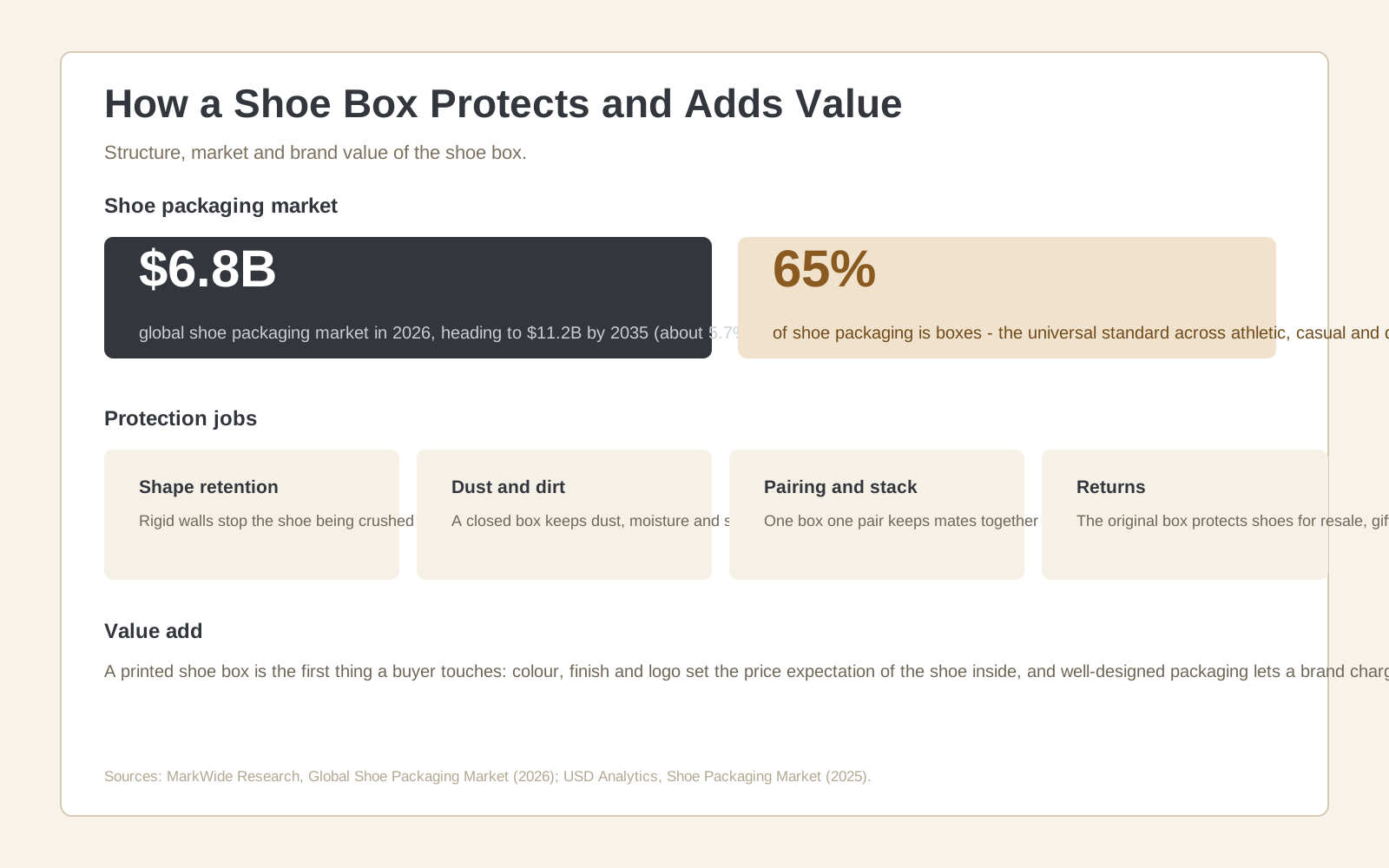
The chart below shows these protection jobs alongside the market context for shoe packaging.
How a Shoes Box Raises the Value of a Pair
Consumers judge a shoe before they put it on, and the shoes box is where that judgement starts. Three effects repeat across footwear retail:
- Price anchoring. Dense board, clean printing and a branded closure set the expectation that the shoe inside is a quality product, supporting premium pricing.
- Unboxing experience. For e-commerce brands, the shoe box is the only in-hand brand moment before the first wear, and it drives unboxing content and word of mouth.
- Collector and resale value. Limited and designer drops trade higher with their original shoes box intact, because collectors treat the packaging as part of the item's completeness.
The Shoes Box Market Is Large and Growing
MarkWide Research values the global shoe packaging market at $6.8 billion in 2026, on track to reach $11.2 billion by 2035 at about 5.7% growth per year. Boxes command around 65% of the shoe packaging market, according to USD Analytics, because the rigid box remains the standard across athletic, casual and dress footwear. E-commerce, streetwear and sustainable material demand are the main forces upgrading shoe box designs.
Shoes Box Styles and Options
- Standard folding box. The classic two-piece or one-piece tuck box in printed paperboard - economical and easy to source in volume.
- Rigid set-up box. Thick, glued board walls for luxury retail and designer drops, often wrapped in paper, leatherette or linen.
- Sneaker display box. Windowed or clear-lid options that show the shoe while it is stored, popular with collectors.
- Interior touches. Tissue, shoe bags, hang tags and moulded inserts that cushion and present the pair.
- Sustainable board. Recycled kraft and FSC-certified materials that support brand sustainability claims.
Checklist: Specifying a Shoes Box
- Measure the shoe in its fullest dimension, including heel and toe boxes
- Add 3-5 mm clearance per axis so the lid closes without compressing the shoe
- Confirm board weight for stacking strength in your storage and shipping conditions
- Choose printing and finish that carry your brand and size labelling clearly
- Add tissue, inserts or shoe bags if unboxing experience matters
- Test stacked cartons and real courier handling before full production
- For e-commerce, verify the box fits standard outer carton sizes to avoid wasted space
FAQ: Shoes Box
What is a shoes box?
A shoes box is a rigid paperboard container designed to hold one pair of shoes, protecting them from crushing, dust and moisture while carrying the brand's product information and design.
Does keeping shoes in a shoes box protect them?
Yes, for most footwear. A closed shoe box blocks dust and light, preserves shape during stacking, and keeps pairs together. In humid climates, use breathable storage or desiccants to avoid trapped moisture.
Why do premium shoes need premium shoe boxes?
Because the shoes box is the first physical contact a customer has with the product. Its materials and finish set price expectations and support resale and collector value.
Are shoe boxes recyclable?
Most paperboard shoe boxes are recyclable with regular paper. Laminated or windowed boxes should be checked with local recycling rules, and plastic windows removed where required.
What size should a custom shoe box be?
Size is driven by the shoe's fullest measurement with clearance for easy closing, plus any inserts such as shoe bags or cards. A packaging supplier will help you settle dimensions by shoe type.
Start Your Shoes Box Project With Karipackage
Start with the physical size of your shoe and the journey it takes: retail shelf, e-commerce parcel or both. From there, choose the structure, board weight and finish that protect the pair and carry your brand.
Karipackage is a professional colour box and carton supplier with 30 years of manufacturing experience. Karipackage produces custom shoes box structures from standard folding boxes to wrapped rigid boxes, with printed size systems, interior inserts and FSC-certified board options, and confirms performance with physical samples before mass production. Ask Karipackage to quote your shoes box.
Sources and Editorial Notes
Market data from MarkWide Research, Global Shoe Packaging Market (2026) and USD Analytics, Shoe Packaging Market (2025). Structure, sizing and material guidance is editorial; validate specifications with your packaging supplier and physical samples.
Leave a Comment
Comments are reviewed before appearing.