How to Remove Price Stickers from Boxes Without Damage
Removing a price sticker from a box without damage comes down to matching the method to the box surface and the sticker type. Uncoated kraft soaks up liquid and swells, glossy and laminated boxes tolerate alcohol and oil, and rigid gift boxes need gentle heat. This material-by-material guide explains which technique removes what kind of sticker residue completely, with no marks left behind.
By Packaging Editorial Studio · 8 min read · Updated September 2026
The Short Answer
First identify the box surface and the sticker. Then choose a liquid-free method first - heat, tape or an eraser - because they cannot stain paper. Use liquids such as rubbing alcohol or oil only on coated, laminated or sealed surfaces, never on raw kraft or uncoated corrugated board, which swell and stain. Peel from a corner, work slowly, and remove the last glue with the gentlest tool that works.
Know the Two Variables: Box Surface and Sticker Type
Box surfaces you will meet
- Raw kraft or uncoated corrugated. Porous paper that absorbs liquid instantly - water or oil leaves a stain and swelling.
- Coated or printed box board. A sealed print surface, more tolerant of gentle liquid use.
- Laminated or glossy packaging. Plastic film or varnish overlay - the safest surface for alcohol and oil.
- Rigid gift or set-up boxes. Wrapped paper or PU over board - protect the outer wrap finish.
Sticker types
- Paper price tags. Dry paper glued to the surface; often the easiest to lift with heat or a brief damp blot.
- Glossy or thermal labels. Smooth film with strong adhesive; they respond well to heat and alcohol.
- Vinyl or security stickers. Thick, flexible and built to be hard to remove; they need heat plus adhesive solvent.
Liquid-Free Methods (Safe on Every Box Surface)
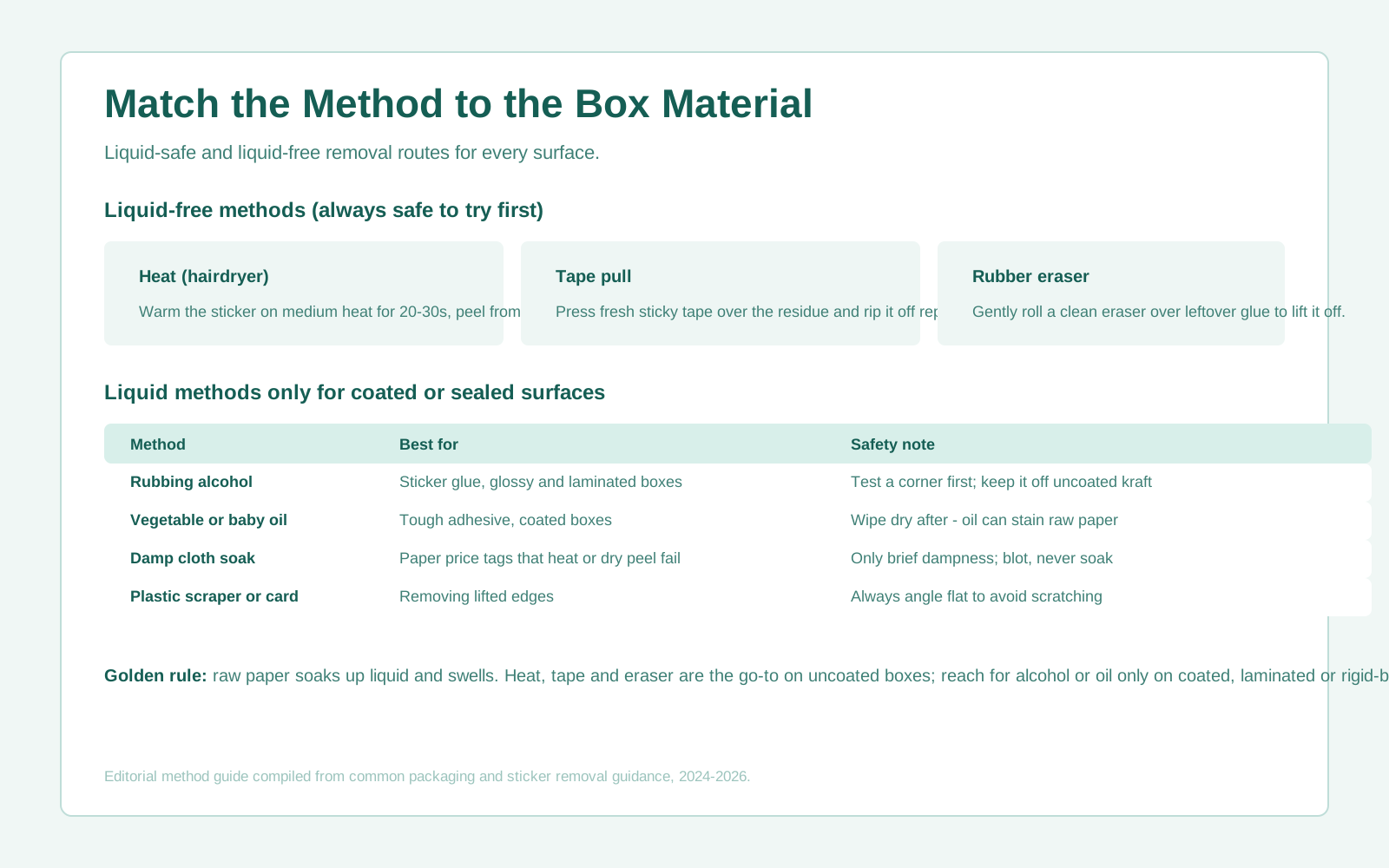
- Heat with a hairdryer. Warm the sticker on medium heat for 20-30 seconds, keeping the dryer moving, until the glue softens. Lift from a corner with a fingernail or plastic card. Heat works on paper tags, glossy labels and most adhesives, and it cannot stain.
- Tape lift for residue. Press a piece of fresh sticky tape over leftover glue and rip it off fast, repeating with new tape. The adhesive on the tape bonds to the residue and pulls it away.
- Rubber eraser roll. Gently roll a clean eraser over remaining adhesive; the eraser picks up the glue in small crumbs without touching the box with liquid.
Try these three first on any box. They handle the majority of price stickers with zero risk of marking the paper.
Liquid Methods: Only for Coated, Laminated or Sealed Boxes
- Rubbing alcohol. Dab a cotton swab with isopropyl alcohol and work it along the sticker edge, lifting as the adhesive dissolves. Alcohol evaporates quickly and suits glossy and laminated surfaces. Always test an inconspicuous corner first.
- Vegetable or baby oil. For stubborn adhesive on coated boxes, oil breaks down the glue bond. Apply sparingly with a cotton pad, wait a minute, then rub gently and wipe the area dry so oil does not sit on the surface.
- Brief damp blot for paper tags. On a coated surface, a barely damp cloth placed over a paper tag softens the paper glue, but blot and lift quickly - never soak the box, and never do this on raw kraft.
The chart below matches removal methods to box materials at a glance.
Step-by-Step: Removing a Price Sticker Cleanly
- Test a corner: does the surface absorb water? If yes, treat the box as uncoated and use only liquid-free methods.
- Warm the sticker with a hairdryer for 20-30 seconds.
- Lift from a corner with a plastic card, pulling slowly at a low angle.
- If paper tears, switch to tape lift or gentle heat to remove the paper layer, then remove the glue beneath.
- For stubborn residue on a coated box, use rubbing alcohol or oil sparingly and wipe dry.
- Finish with an eraser roll or a clean cloth for a spotless surface.
Box Material Cheat Sheet
- Raw kraft / uncoated corrugated: heat, tape lift, eraser only. Never soak; paper swells and stains.
- Printed box board: heat and tape first; alcohol tested on a corner if needed.
- Glossy or laminated packaging: heat, alcohol, oil and damp blot are all safe in moderation.
- Rigid wrapped boxes: heat gently to protect the wrap; tape and eraser for residue; avoid solvents that could lift foil or print.
- Plastic window boxes: alcohol is effective; avoid acetone, which clouds plastic.
FAQ: Remove Price Stickers from Boxes
How do I remove a price sticker from a cardboard box without damaging it?
Warm the sticker with a hairdryer for 20-30 seconds and peel slowly from a corner with a plastic card. Remove leftover glue with tape or a rubber eraser - no liquids on raw cardboard.
What removes sticker residue from boxes?
Tape lift, a rubber eraser, or rubbing alcohol on coated surfaces. Oil also dissolves stubborn adhesive on glossy boxes, but wipe the area dry afterwards.
Does rubbing alcohol damage boxes?
It can stain and swell raw, uncoated paper, but it is generally safe on coated, printed and laminated surfaces when used sparingly and tested first.
How do I remove a sticker from a glossy box?
Glossy boxes tolerate alcohol and oil well. Heat first, then dab alcohol along the edge, lift, and clean remaining adhesive with oil or tape.
Why does my box have a stain after removing the sticker?
Almost always from liquid soaking into uncoated paper. That is why liquid-free methods come first; if a stain appears on kraft, it cannot usually be removed without re-coating the surface.
Removing Stickers from Boxes You Plan to Reuse
The same rules apply when you want to remove price stickers from boxes you intend to reuse, repurpose or give as gifts. Start liquid-free, work from the corners, and only introduce solvents on surfaces that can take them. When the box is a gift box or a reusable retail box, heat and tape keep the original finish looking like new.
Karipackage is a professional colour box and carton supplier with 30 years of manufacturing experience. If your reusable boxes arrive covered in unwanted labels, Karipackage recommends asking for easily removable label stock, peelable price-sticker panels or unprinted sticker zones on custom packaging in the first place - and for boxes already in your hands, its packaging team can advise which surface treatments resist sticker damage best. Talk to Karipackage about sticker-friendly custom boxes.
Sources and Editorial Notes
Method guidance synthesized from common sticker and packaging removal advice published 2024-2026. Always test any method on an inconspicuous area first; results vary with adhesive age, temperature and surface coating.
Leave a Comment
Comments are reviewed before appearing.