Blind Box: The Surprise Packaging Trend Collectors Can't Stop Buying
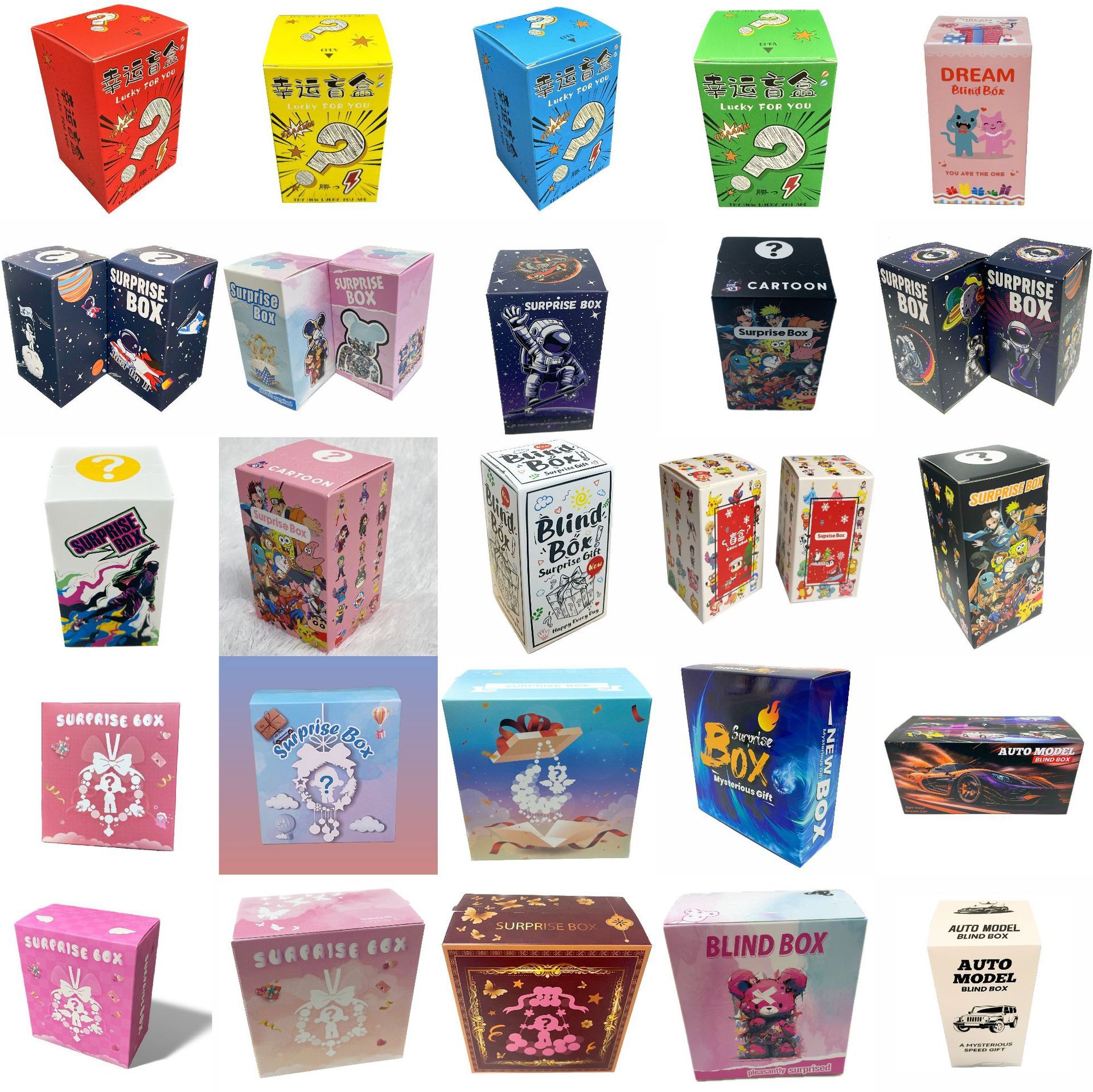
A blind box is a sealed package that hides which collectible figure, toy or product is inside. Buyers know the series, but not the exact item, until the box is opened. That single moment of uncertainty has turned small cardboard boxes into a multi-billion-dollar category and made unboxing itself the product. This guide explains how the blind box model works, what the market data says, and how packaging design makes or breaks the experience.
By Packaging Editorial Studio · 10 min read · Updated September 2026
The Short Answer
A blind box works because the packaging hides the contents while revealing the theme. Collectors buy a box hoping for a rare or hidden figure, open it for a moment of surprise, then share the result online. The box is deliberately opaque, tamper-evident and visually consistent so that every opening feels fair and exciting. When the design works, one purchase leads to another as buyers try to complete the series.
The Blind Box Market Is Growing Fast
Verified Market Reports values the global blind box market at $16.6 billion in 2025 and expects it to reach $25.2 billion by 2034, growing at about 6.1% per year. Asia-Pacific leads with roughly 54% of revenue, driven by brands such as Pop Mart in China, while collectible figures make up about 45% of product revenue. The aftermarket tells the same story: rare figures can resell at 300-800% above retail on platforms like eBay and StockX.
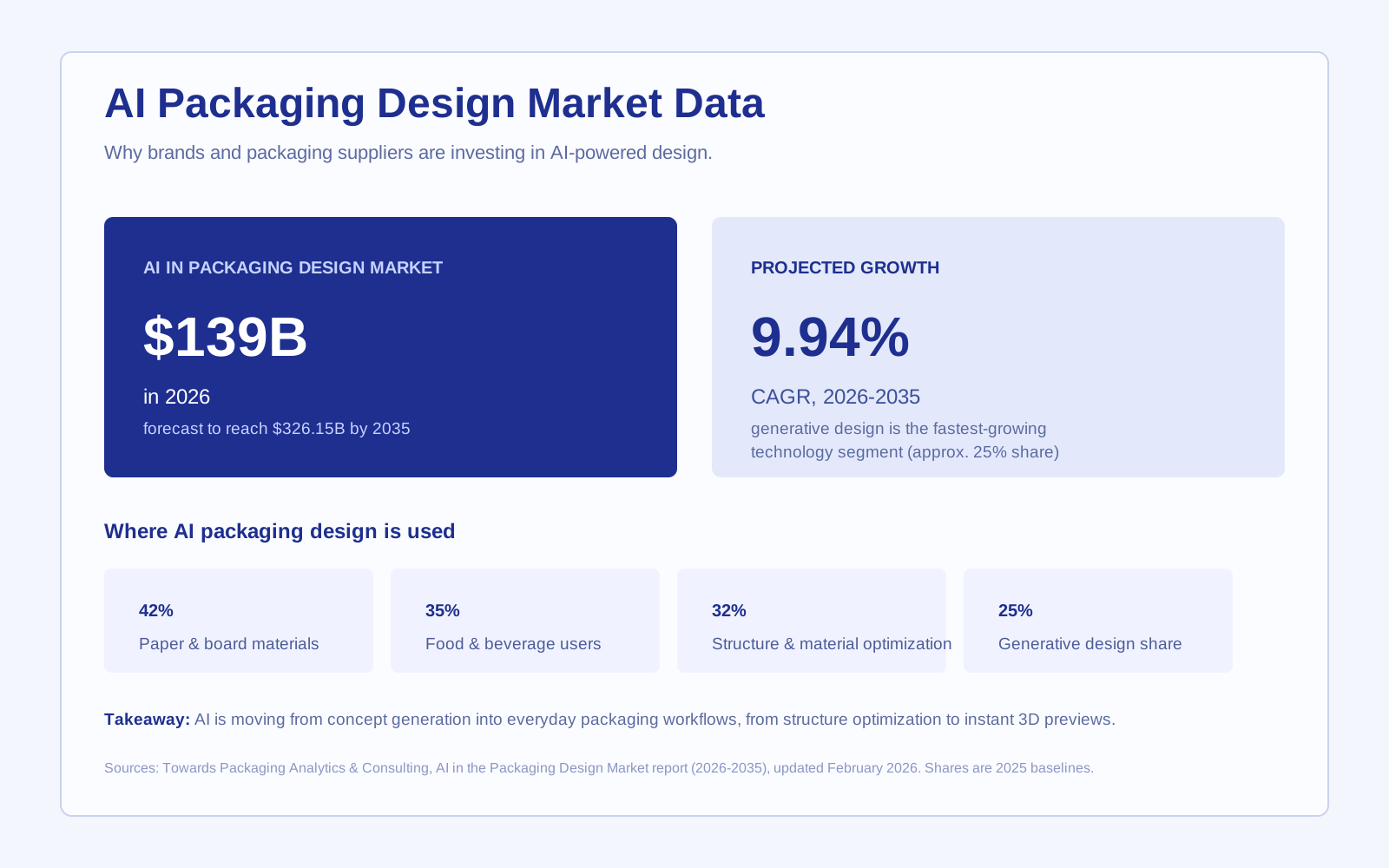
Company results confirm the momentum. Pop Mart reported revenue growth of about 106% in 2024, and its Labubu line grew more than 726% in the same year. For product brands, this is a proven format for repeat purchases, limited drops and organic social reach, all of which start with the box itself.
Why a Blind Box Is a Packaging Product First
Unlike most products, where packaging supports the item inside, a blind box is mostly packaging with an item attached. The sealed box creates scarcity, the artwork creates desire, and the opening ritual creates emotion. If the box can be peeked into, weighed, or identified before purchase, the magic disappears. That is why blind box packaging must protect three things at once: secrecy, fairness and anticipation.
Secrecy. The outer box and any inner packaging must be fully opaque so nobody can guess the contents from the outside.
Fairness. Every box in a series looks identical on the outside, so rarity is a matter of chance, not of packaging defects.
Anticipation. A premium finish, clean artwork and a satisfying opening sequence make the reveal feel like an event.
The Consumer Journey Behind the Blind Box
Every blind box sale follows the same five-step journey, and packaging has a job at each step. The image below walks through the flow from purchase to collection.
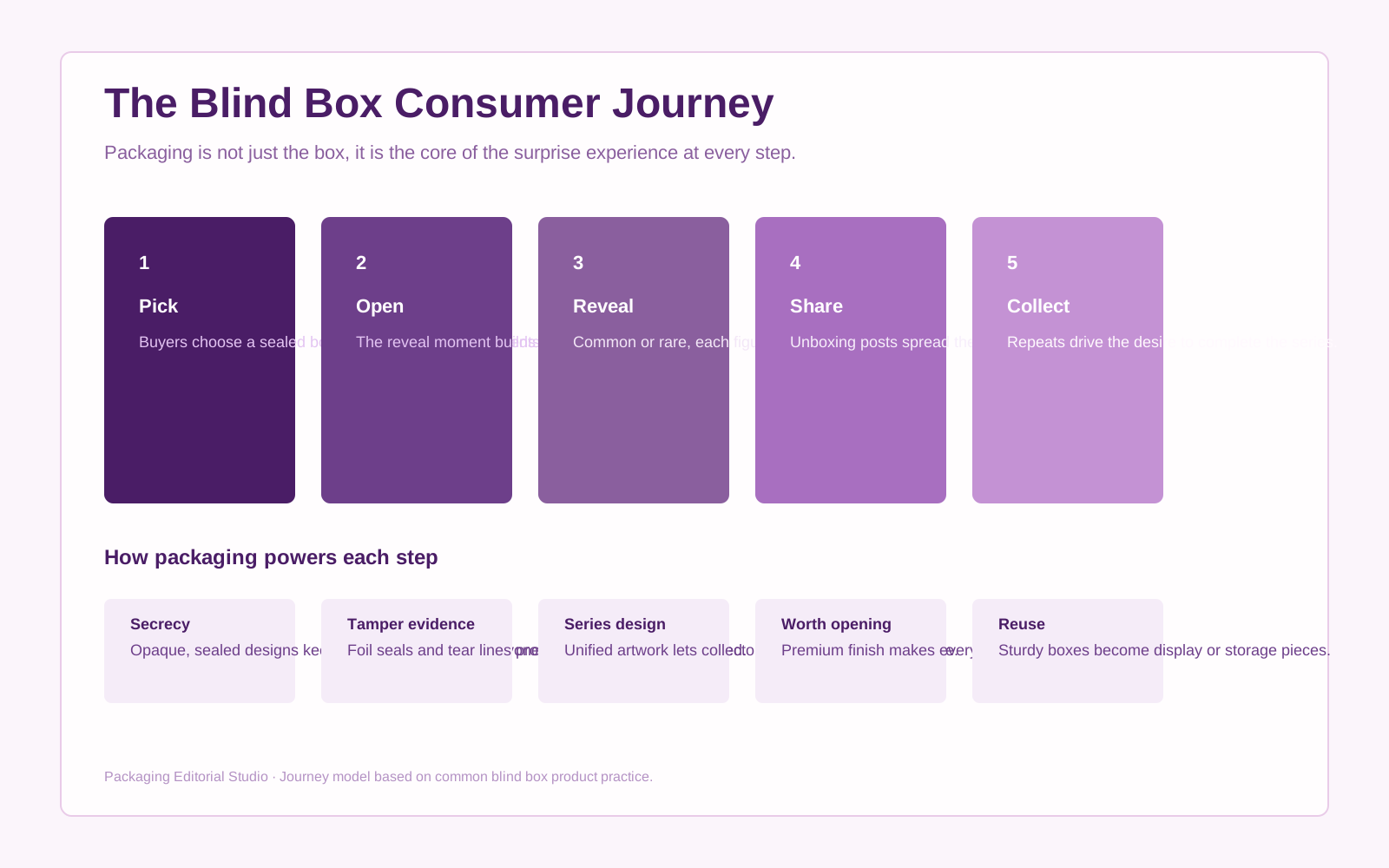
- Pick: the shelf or storefront of identical sealed boxes invites a choice with no information advantage.
- Open: tear lines, foil seals or pull tabs control the exact moment of reveal.
- Reveal: the inner sleeve or card introduces the figure, whether common or rare.
- Share: unboxing photos and short videos turn one purchase into free promotion.
- Collect: the urge to complete the series drives the next purchase, and the loop repeats.
Blind Box Packaging Design Essentials
Designing a blind box means balancing graphic appeal with structural control. These are the details that professionals get right.
- Opaque materials: use paperboard or cardstock thick enough that the silhouette cannot be seen through the walls.
- Tamper-evident closure: foil stickers, tear strips or glue points that make it obvious if a box was opened.
- Series identity: one consistent illustration system across the whole series so collectors can spot the drop instantly.
- Hidden-figure mystery: keep the special figure's design off the outer packaging to protect the surprise.
- Inner presentation: a sleeve, tray or card that frames the figure when the box opens.
- Collectible-friendly size: a compact footprint that works on shelves, in vending machines and in gift bundles.
If the product will be sold through vending machines or retail counters, confirm the box dimensions and weight range with your fulfillment partner first, since some machines use weight to screen items. Keeping every unit within the same weight band protects the fairness of the draw.
How to Launch a Successful Blind Box Line
- Design the series first: a strong set of characters or designs is the reason people collect.
- Plan the rarity table: decide how many common, rare and hidden figures appear in each case of boxes.
- Prototype the box: test opacity, closure strength and the opening feel with real product inside.
- Test fairness: run a case through fulfillment to confirm every box ships indistinguishable and correctly sealed.
- Build the drop story: teaser posts, launch windows and collector guides amplify the social moment.
- Plan the aftermarket: decide whether and where limited editions or chase figures can be released later.
If this is your first blind box run, ask your packaging partner for engineering input early. Karipackage, a 30-year professional color box supplier, helps brands choose the right paperboard thickness for opacity, add tamper-evident tear lines and keep weight bands consistent across a case, so the surprise stays fair from the first sample to the last production batch.
Common Blind Box Packaging Mistakes
- Using packaging thin enough to reveal shapes or weights.
- Skipping tamper-evident seals and letting opened units reach the shelf.
- Showing the hidden figure on promotional art before launch.
- Designing the series box so each character is visible and identifiable from the outside.
- Forgetting inner packaging, so the figure rattles and arrives damaged.
- Ignoring retailer and vending machine size constraints.
Checklist: Designing a Collectible-Ready Blind Box
- Outer box is fully opaque and printed on all panels
- Closure is tamper-evident and easy for buyers to open
- All units in a series look identical from the outside
- Weight range stays consistent across the series
- Hidden or rare figure is not visible on outer artwork
- Inner sleeve or tray protects and frames the item
- Box size fits the intended retail or vending channel
- Drop sequence, rarity ratios and case counts are defined
- Physical samples tested with the real product before production
FAQ: Blind Box Packaging
What is a blind box?
A blind box is a sealed, opaque package that contains one randomly selected item from a known series, usually a collectible figure or toy. Buyers do not know which item is inside until they open the box.
Why is blind box packaging sealed and identical?
Sealing and identical exteriors guarantee fairness. If buyers could tell the contents apart, the surprise, the rarity system and the collection loop would break.
How are rare or hidden figures distributed in blind boxes?
Brands define rarity ratios per case, such as one hidden figure per full case of boxes. Retail cases are usually packed so each set contains a predictable mix of common and rare figures.
What packaging materials work best for blind boxes?
Sturdy paperboard or cardstock that is fully opaque is the standard choice. Tamper-evident seals, printed inner sleeves and compact box formats are common complements.
Can any product be sold as a blind box?
Yes, and brands now use the format beyond toys, from cosmetics and stationery to snacks. The key requirement is a collectible angle, repeat purchase logic and packaging that keeps the surprise fair.
Start Your Blind Box Project With Karipackage
The blind box format rewards brands that respect the surprise. Design a compelling series, engineer packaging that is opaque, tamper-evident and visually consistent, and test the real opening experience before you print at scale. When the box feels fair and the reveal feels exciting, collectors will do the marketing for you.
Karipackage is a professional color box and carton supplier with 30 years of manufacturing experience. From blind box structures and tamper-evident closures to series-ready full-color printing, Karipackage supports every step from structural prototyping to production. If you are planning a blind box line, get in touch with Karipackage to turn your collectible series into a box collectors love to open.
Sources and Editorial Notes
Market size, CAGR and share data from Verified Market Reports, Global Blind Boxes Market 2026-2034, updated July 2026. Pop Mart and Labubu revenue growth figures as publicly reported by the company and cited by news media. Design recommendations are editorial guidance based on common blind box product practice; confirm requirements with your packaging supplier and test samples before production.
Leave a Comment
Comments are reviewed before appearing.